Choosing the right storage is not just about finding a space that fits your items. The type of items, net volume, frequency of access, duration, and intended purpose must all be evaluated together.
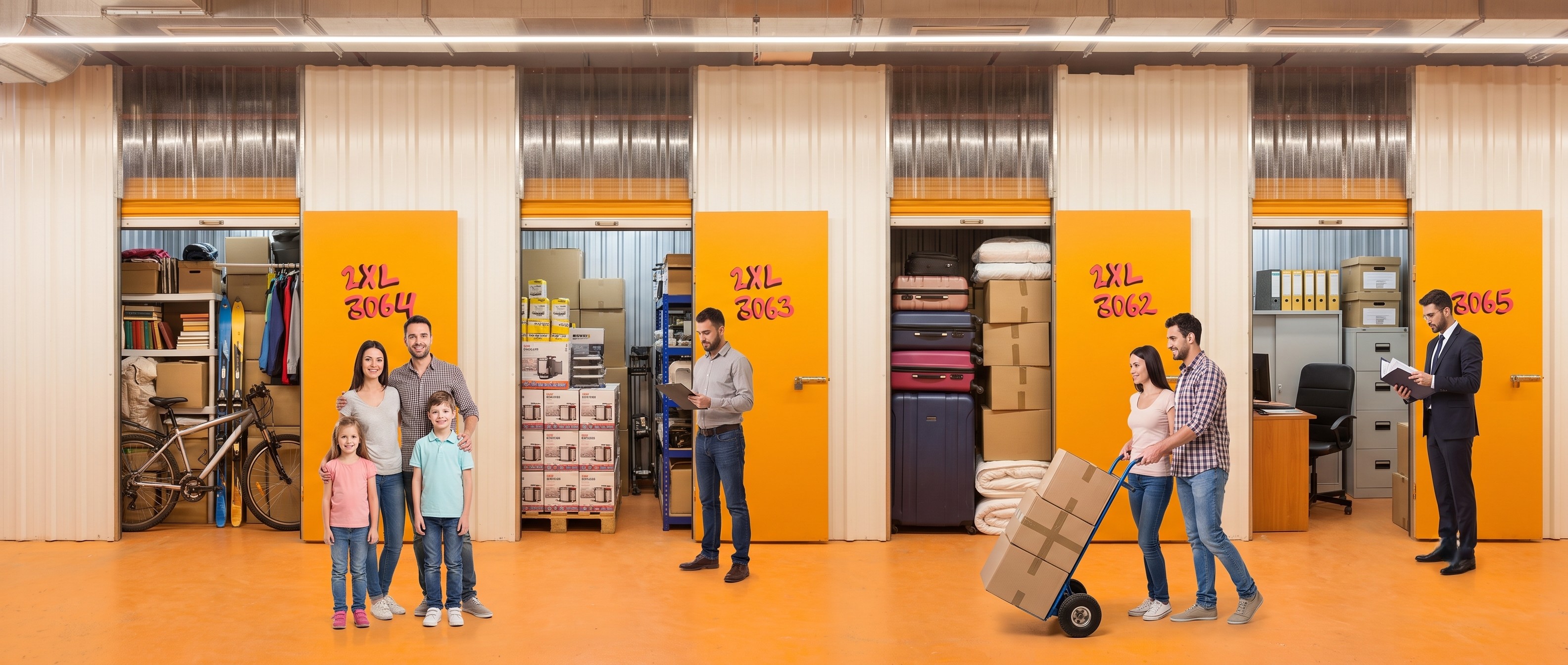
Protect your budget and belongings through accurate volume calculation and the ideal storage service model.
To accurately answer 'Which storage should I choose?', five key decisions must first be clarified. These decisions are interconnected. While item volume determines room dimensions, frequency of access dictates how the unit must be organized. Your intended usage determines whether a private room, shared unit, or hybrid office-warehouse is optimal.
Storage selection at Ekoda is not limited strictly to cubic meters. Personal units, commercial warehousing, shared bays, luggage storage, Ekoda Plus offices, and vehicle garages are tailored service categories. The optimal starting point, before volume estimation, is how you intend to utilize the space ilgilidir.
| Need Category | Starting Point | Deciding Question | Next Step |
|---|---|---|---|
| Household Goods & Personal Use | Personal Room Storage | Do items need to be stored in an exclusive locked room? | Prepare an item inventory and compare room dimensions. |
| Few Suitcases, Boxes, or Partial Goods | Luggage & Box Storage | Is a pay-per-item solution sufficient instead of a full unit? | Clarify item count, dimensions, and estimated rental duration. |
| Shared Unit & Budget Priority | Shared Compartment Storage | Is a budget-friendly shared compartment suitable rather than a private room? | Compare access rules and pricing with private units. |
| Stock, Archives or Commercial Equipment | Corporate / Ticari Depo | Is regular product dispatch, shipping, and shelving needed? | Calculate pallet/shelf count and business expansion margin. |
| Integrated Workspace + Storage | Ekoda Plus (Office + Storage) | Is it essential for your office and inventory to be in the same facility? | Plan your workstations, parcel reception, and daily workflow together. |
| Motor Vehicle or Marine Vessel | Vehicle Storage | What is the vehicle type, dimensions, and open/indoor preference? | Match vehicle dimensions with facility availability. |
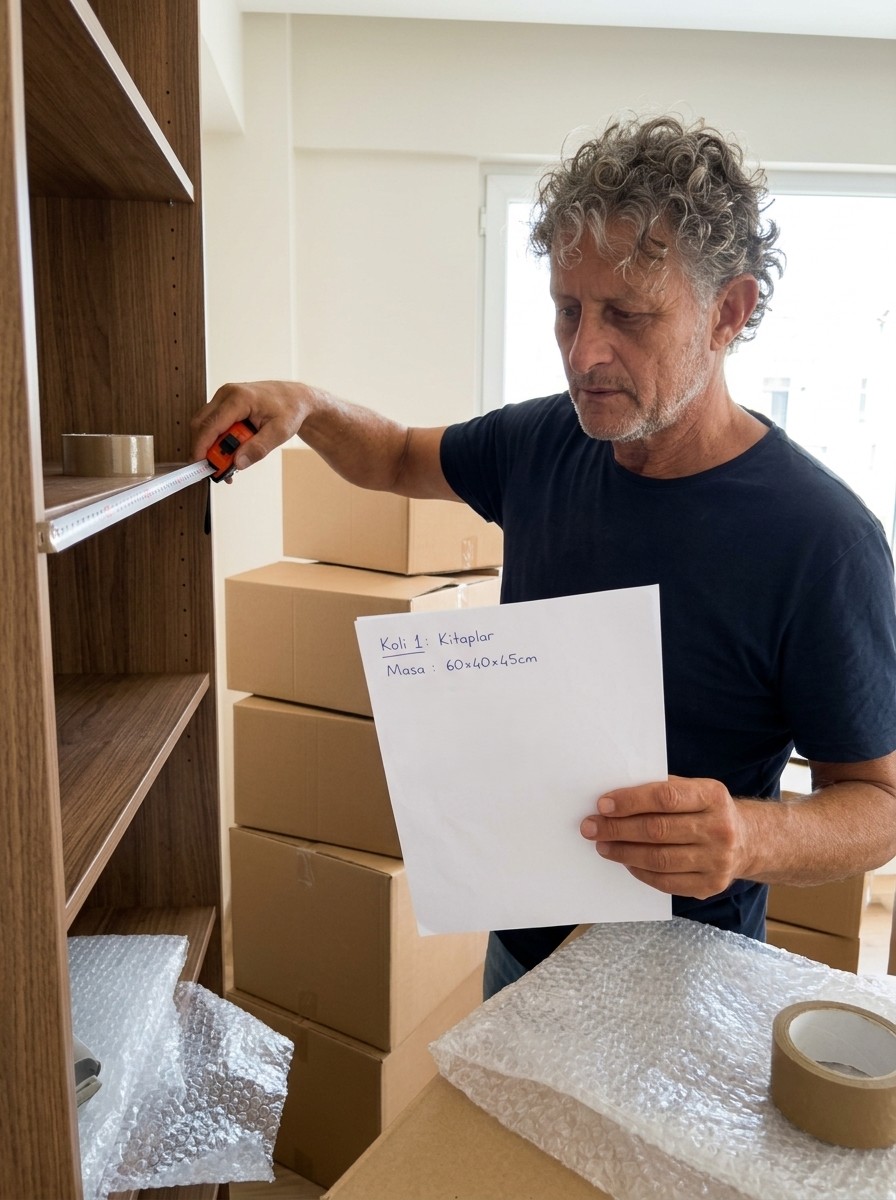
Terms like '1+1 home goods' or 'small office furniture' guide initial talks, but are insufficient for exact volume calculation on their own. Two identically sized apartments can differ drastically in volume: one has basic furniture while the other has bookcases, fitness equipment, appliances, and dozens of boxes.
Therefore, list your inventory by physical items rather than room names. Note large furniture and appliances separately, group boxes by size, and mark non-stackable or disassemblable items.
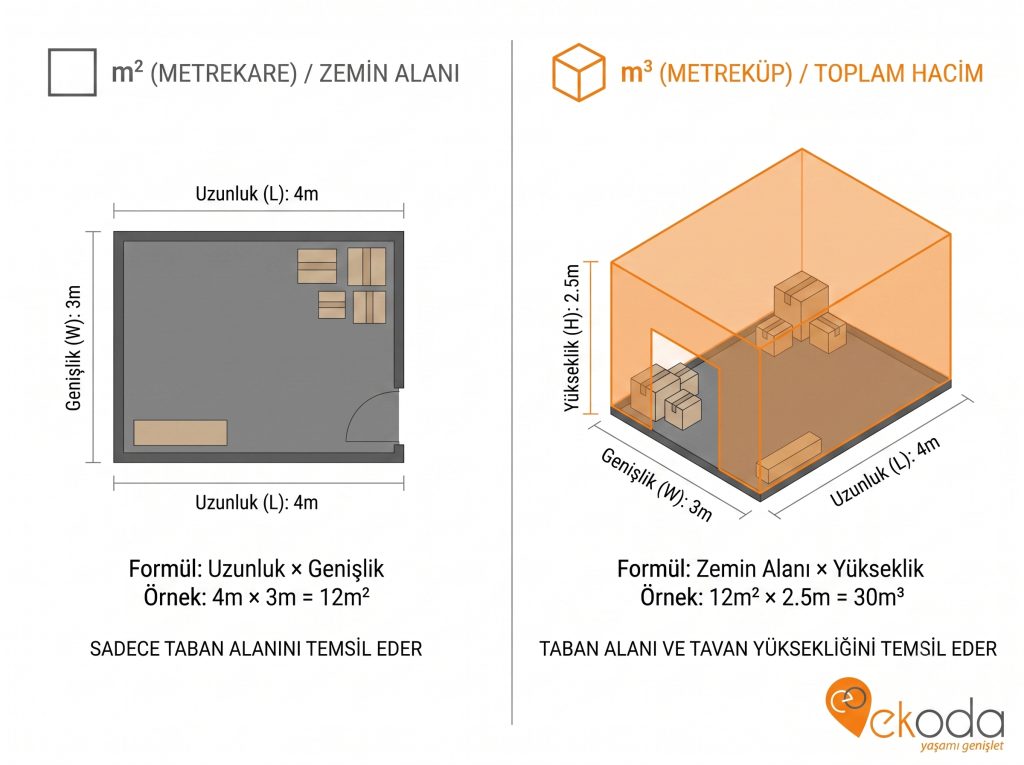
Square meters (m²) represent usable floor space, while cubic meters (m³) represent total 3D storage volume including ceiling height. Looking strictly at floor area is deceptive: safely stacked boxes utilize ceiling height efficiently, whereas mirrors, flat-screen TVs, and delicate furniture cannot be stacked to the ceiling.
Knowing whether a home is 1+1 or 2+1 offers initial context, but does not prove a specific unit will fit everything. Are you storing all furniture, a single room, or renovation items? Will wardrobes be disassembled? Answering these questions first prevents costly sizing errors.
Effective capacity is determined by how well items can be organized together. Uniform boxes stack neatly to the ceiling, whereas irregular tables, bikes, mirrors, and electronics leave empty spaces in between.
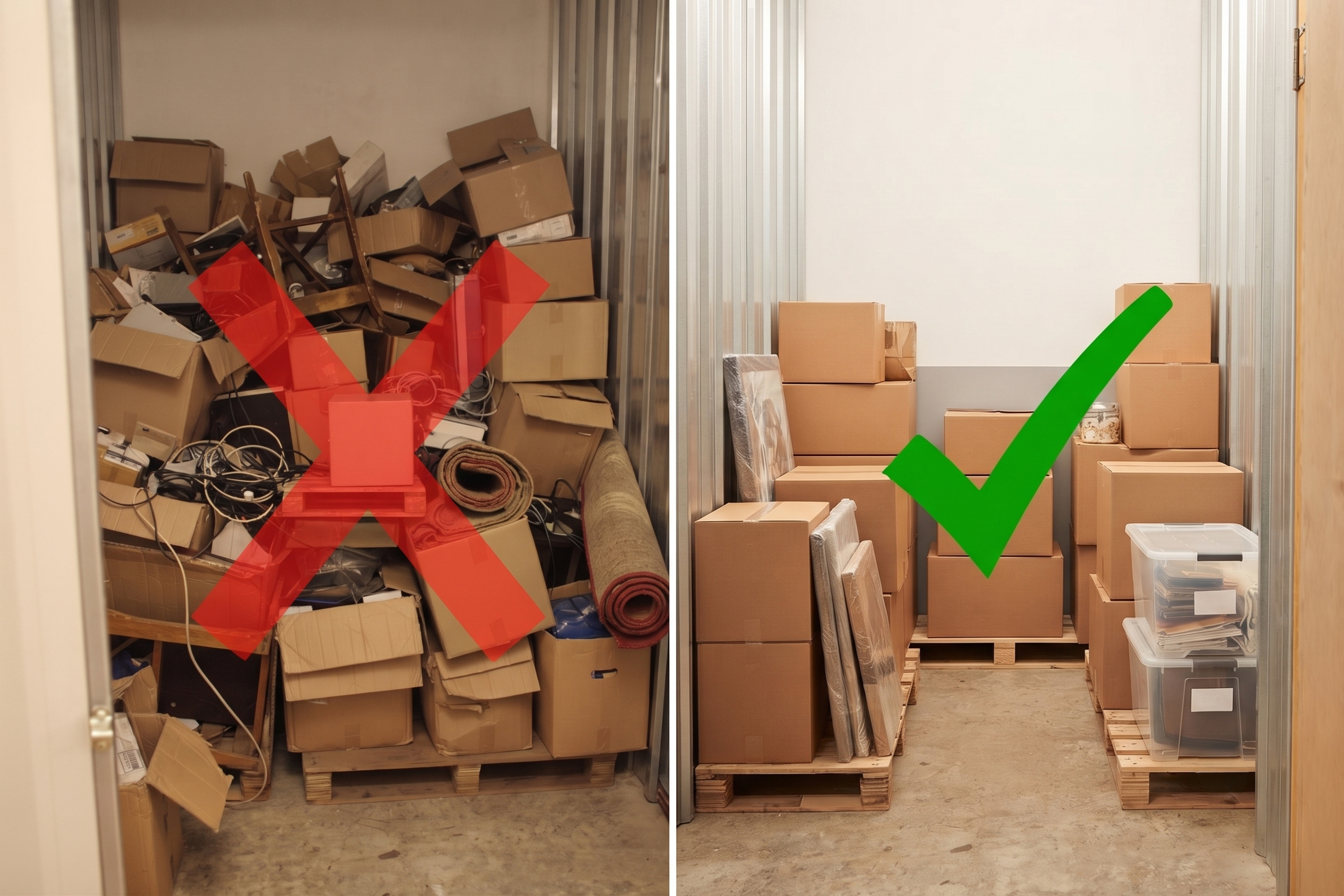
The difference between private units and shared bays goes beyond price. An exclusive room gives you full autonomy, whereas shared bays are tailored for budget-conscious users storing fewer goods.
A fully enclosed, independent unit where only you hold the keys and passcode. Enjoy 24/7 unrestricted access without appointments, with freedom to set up shelving.
A budget model where you rent a secure partitioned section of a large unit. Highly economical for items that will remain undisturbed long-term.
Decluttering, moving, or storing seasonal furniture falls under personal self-storage. Company archives, marketing displays, e-commerce inventory, and equipment require commercial warehousing features.
Tailored private space and flexible access for household furniture, seasonal items, and relocation goods.
Inventory turnover, pallet racking, shelving requirements, and seasonal stock growth planned together.
Provides an integrated solution for businesses needing workspace, storage, parcel fulfillment, and daily operations under one roof.
While proximity to home or office saves transit time, the nearest facility may not always offer the specific unit dimensions or specialized logistics required. When comparing Kadikoy, Umraniye, and Pendik, evaluate both driving time and service features.
Vehicle access clearance, loading dock types, freight elevator capacity, and on-site handling equipment should all be confirmed during consultation.

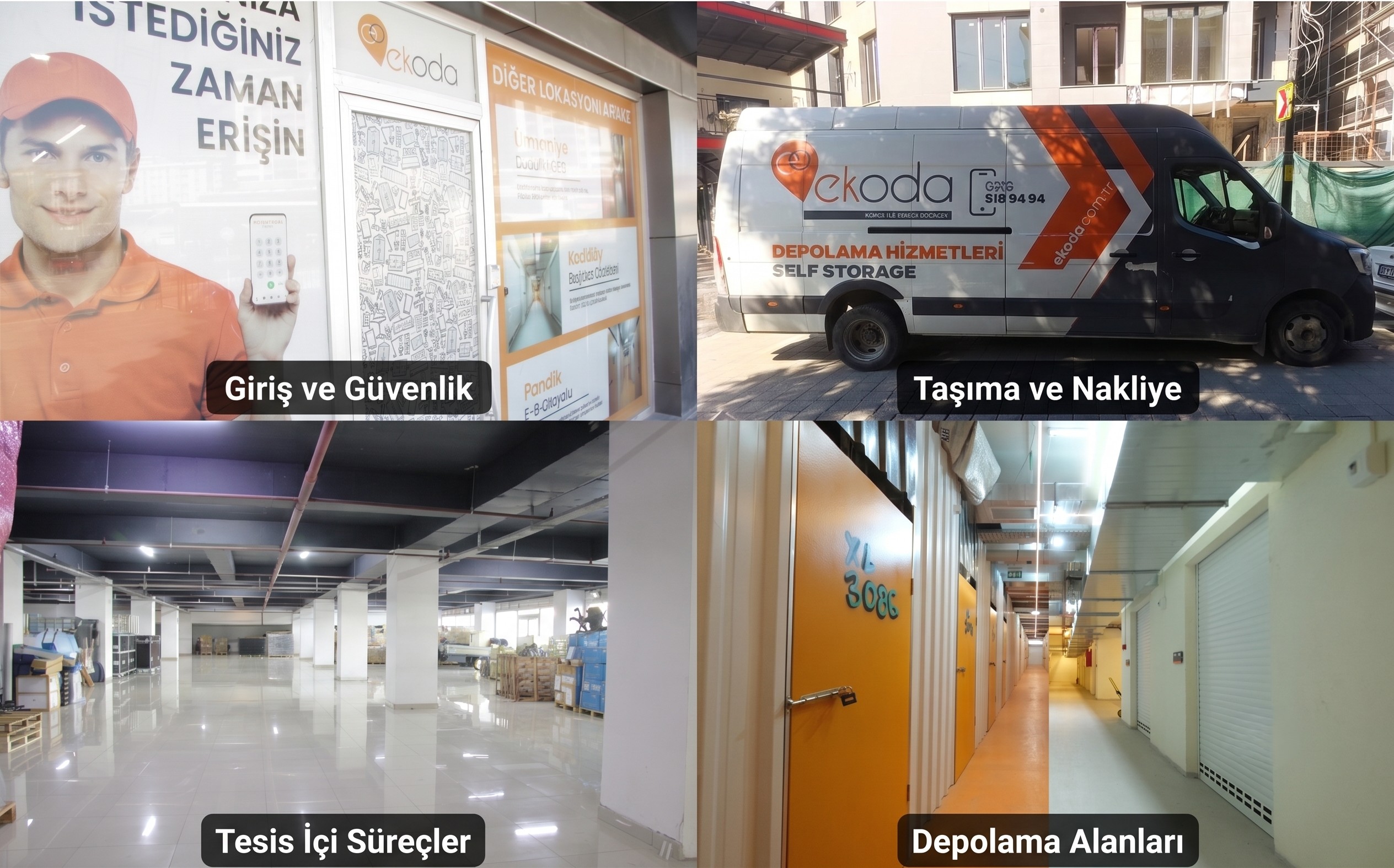
Unit dimensions represent a major pricing component. However, your decision should encompass service level, facility features, rental duration discounts, access rules, and inclusive insurance coverage.
When comparing options, following this six-step framework simplifies decision-making—moving logically from your storage need to service model, from volume to optimal facility.
Identify whether you require residential self-storage, parcel lockers, commercial inventory, or vehicle bays.
Measure bulky furniture, categorize boxes into standard sizes, and list non-stackable items.
Include stacking factors, interior walkway clearance, and expansion margins for exact cubic meters.
Clarify rental duration, visiting frequency, and specific item groups that need frequent retrieval.
Select the facility among Kadikoy, Umraniye, and Pendik that best matches your logistics needs.
Confirm your transparent contract including unit type, duration discount, and insurance coverage.
Navigate directly to detailed subpages tailored to your requirements.
Detailed answers to 11 top questions regarding unit sizing, volume estimation, access, and pricing.
Choose your nearest branch and experience the privilege of 24/7 high-security and climate-controlled storage.

6,000 m² indoor storage space with drive-in vehicle ramp and forklift support.

In the city center, 3 mins to metro, 07:00 - 22:00 automated access and climate-controlled units.
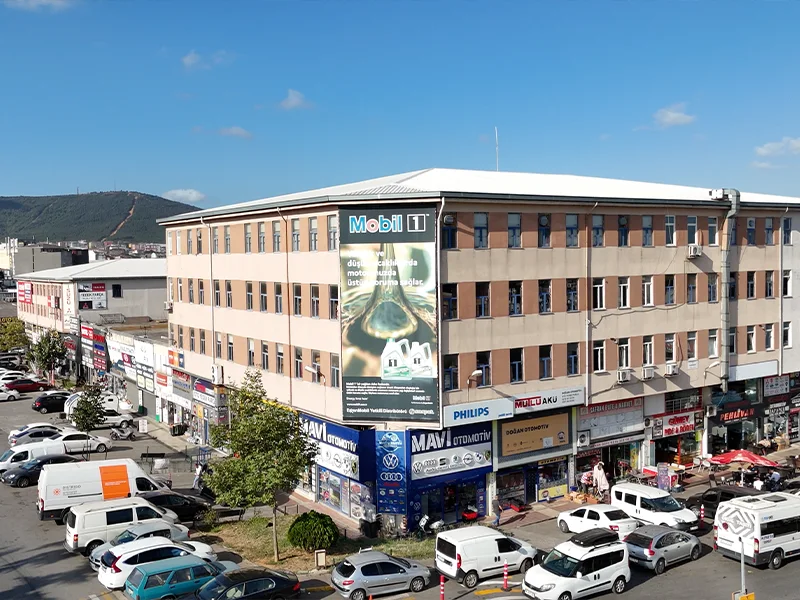
At the TEM exit, 2,000 kg hydraulic freight elevator and palletized storage spaces.
We use cookies to enhance your browsing experience. Cookie Policy

 Türkçe
 English
 Русский
 العربية